
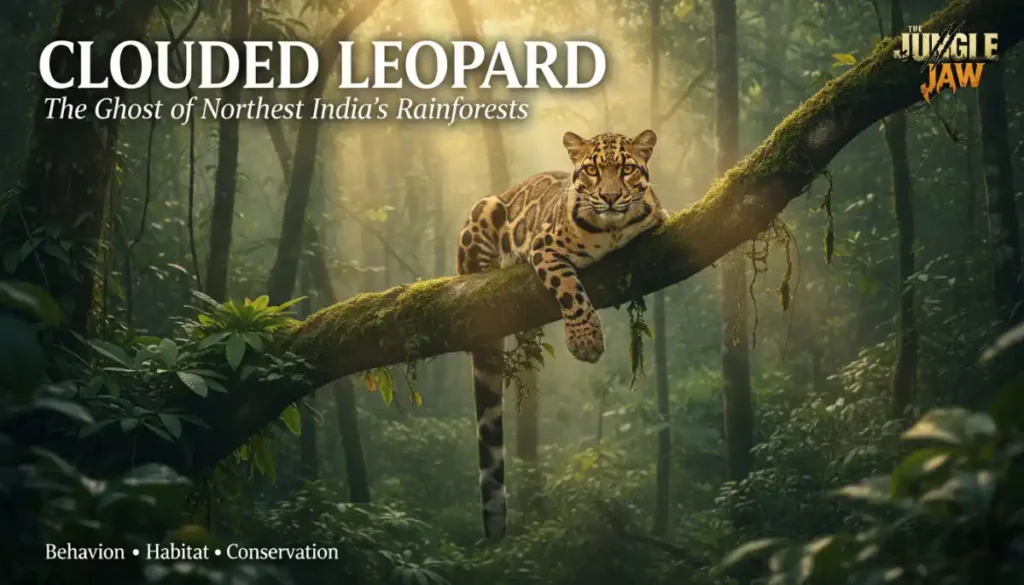
The Cat You May Never See
Imagine walking through a rainforest where giant trees disappear into mist and the calls of hornbills echo overhead. Somewhere high in the canopy, a spotted cat moves silently between branches.
You look up.
Nothing.
And yet, it may be watching you.
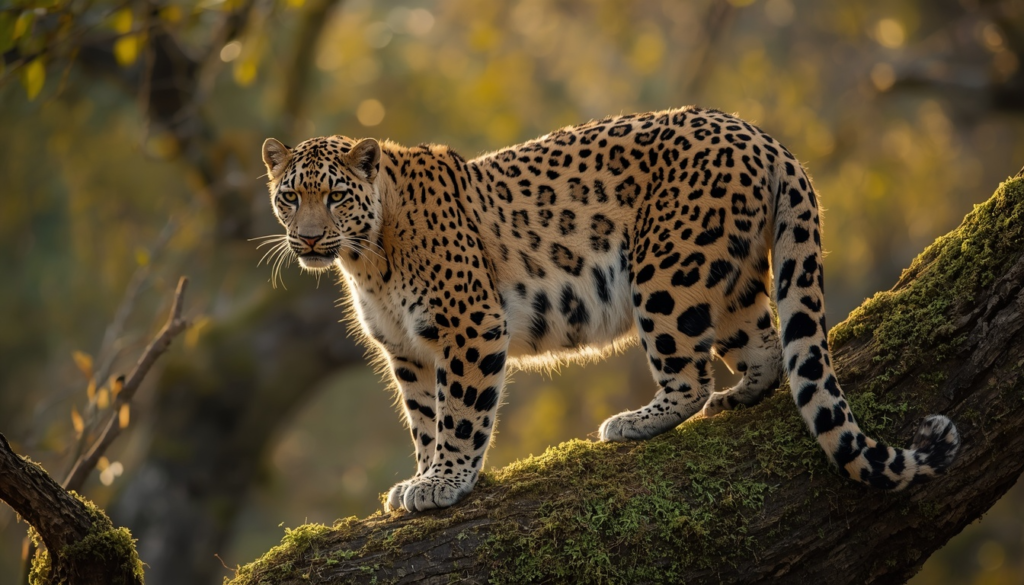
This is the magic of the Clouded Leopard—one of the most mysterious and least-seen wild cats in India. Despite living in some of the country’s most beautiful forests, very few people ever catch a glimpse of one in the wild.
Often called the “ghost of the rainforest,” the Clouded Leopard combines the stealth of a leopard, the agility of a squirrel and the climbing skills of a monkey. For wildlife enthusiasts just beginning their journey into India’s wild spaces, it is one of the most fascinating animals to learn about.
Table of Contents
Why the Clouded Leopard Matters
When people think of India’s big cats, they usually picture tigers, lions or leopards.
The Clouded Leopard rarely receives the same attention.
Yet this remarkable predator plays an important role in the forests of Northeast India. As a medium-sized carnivore, it helps maintain ecological balance by controlling populations of smaller animals and prey species.
The species is also considered an indicator of healthy forests. In simple terms, if Clouded Leopards are present, it usually means the forest still supports a rich variety of wildlife.
For conservationists, protecting Clouded Leopards means protecting entire rainforest ecosystems that are home to countless birds, mammals, reptiles and insects.
Key Facts: Clouded Leopard
| Fact | Details |
|---|---|
| Common Name | Clouded Leopard |
| Scientific Name | Neofelis nebulosa |
| IUCN Status | Vulnerable |
| Average Weight | 11–23 kg |
| Length | Up to 1.1 metres body length, plus tail |
| Lifespan | 11–15 years in the wild |
| Diet | Monkeys, deer, birds, wild pigs, rodents and other small mammals |
| Range | Northeast India, Southeast Asia and parts of China |
| Indian States | Arunachal Pradesh, Assam, Meghalaya, Mizoram, Nagaland, Tripura and Sikkim |
| Nickname | The Ghost of the Rainforest |
What Exactly Is a Clouded Leopard?
One of the most common questions beginners ask is:
Is a Clouded Leopard actually a leopard?
The answer is both yes and no.
Although it belongs to the cat family, it is not a true leopard like the Indian Leopard.
Instead, it belongs to its own unique group called Neofelis. Scientists consider it an evolutionary bridge between large cats such as tigers and smaller wild cats.
The name “Clouded Leopard” comes from the large cloud-shaped markings on its coat. These dark-edged patches provide excellent camouflage in forests filled with shifting light and shadow.
Perhaps the most surprising feature is its teeth.
Relative to body size, Clouded Leopards possess some of the longest canine teeth of any living cat species. This has earned them the nickname “modern-day sabre-toothed cats.”
Clouded Leopard Behaviour: Why Is It So Hard to Spot?
If you ask experienced wildlife photographers which Indian cat is the hardest to see, many will choose the Clouded Leopard.
The reason lies in its behaviour.
Clouded Leopards are extremely secretive. They spend much of their time alone and are most active during dawn, dusk and nighttime.
Unlike many other cats, they are exceptional climbers.
Researchers have observed Clouded Leopards climbing down trees headfirst, hanging beneath branches and moving through the canopy with astonishing confidence.
This tree-living lifestyle is known as arboreal behaviour, meaning an animal spends much of its life in trees.
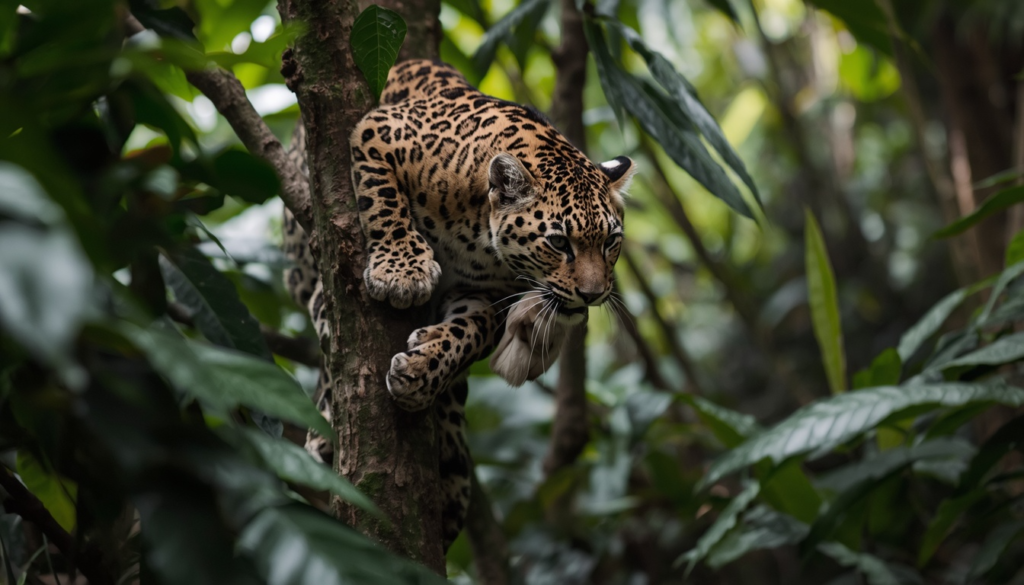
While Clouded Leopards also hunt on the ground, their climbing abilities help them avoid danger, rest safely and access prey in places where other predators cannot reach.
Because they avoid humans and inhabit dense forests, most sightings come from camera traps rather than direct observation.
Clouded Leopard Habitat: Home in the Rainforest
The Clouded Leopard prefers dense forests with thick vegetation and plenty of cover.
In India, the species is mainly found in the northeastern states, where tropical and subtropical forests create ideal conditions.
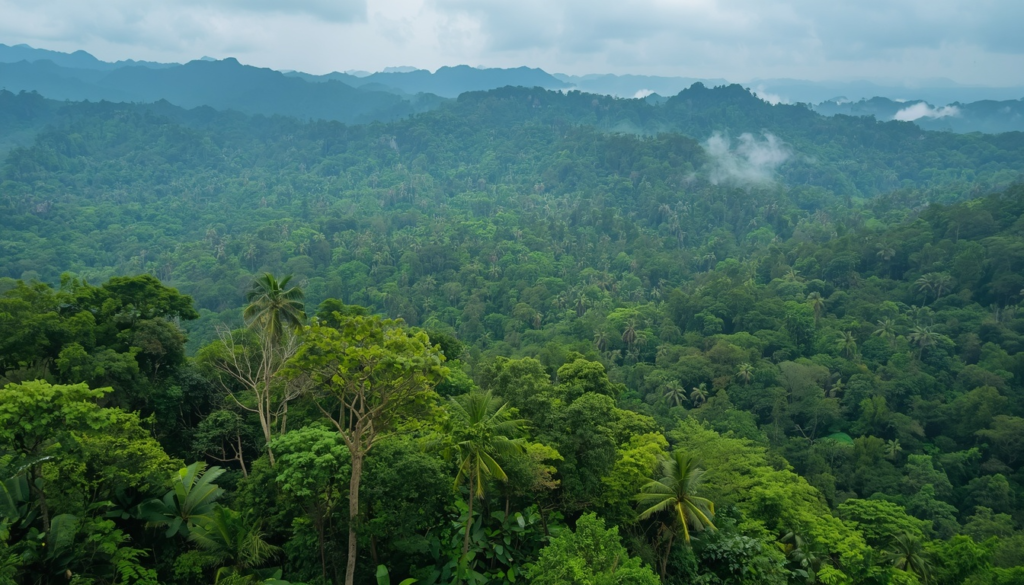
Tropical Rainforests
These forests receive heavy rainfall and support incredible biodiversity. The dense canopy offers protection and hunting opportunities.
Mountain Forests
Clouded Leopards can also occur at higher elevations in cooler forest environments.
Bamboo Forests
Many northeastern landscapes contain bamboo-dominated habitats that provide excellent cover.
Forest Corridors
Wildlife corridors connecting larger forest blocks are especially important because they allow animals to move safely between habitats.
Unlike tigers, which often use roads and trails, Clouded Leopards prefer remaining hidden within dense vegetation.
This makes them one of India’s most difficult predators to study.
What Does a Clouded Leopard Eat?
Another common question is:
What does a Clouded Leopard hunt?
Like most cats, it is a carnivore.
Its diet includes:
- Monkeys
- Small deer
- Wild pigs
- Squirrels
- Rodents
- Birds
- Reptiles
Clouded Leopards are ambush predators.
This means they rely on surprise rather than speed or endurance.
A typical hunt may involve waiting silently in dense cover before launching a sudden attack.
Their strong limbs and sharp claws make them effective hunters both on the ground and in trees.
This flexibility allows them to exploit a wide variety of food sources.
Threats Facing Clouded Leopards Today
Although they remain hidden from most people, Clouded Leopards face very real threats.
Habitat Loss
The biggest challenge is deforestation.
As forests are cleared for agriculture, infrastructure and development, suitable habitat becomes fragmented.
Hunting and Poaching
In some regions, Clouded Leopards are illegally hunted for their skins, teeth and bones.
Loss of Prey
When prey species decline due to hunting, predators struggle to find food.
Road Development
Expanding road networks can divide habitats and increase mortality risks.
Climate Change
Changing rainfall patterns and shifting ecosystems may affect forest health and prey availability in the future.
Because Clouded Leopards occur at relatively low densities, even small population declines can have significant consequences.
Conservation Status: Protecting the Rainforest Ghost
The Clouded Leopard is currently classified as Vulnerable by the IUCN.
Fortunately, conservation efforts are growing.
Protected Areas
National parks and wildlife sanctuaries across Northeast India provide critical habitat.
Camera Trap Research
Much of what scientists know about Clouded Leopards comes from camera trap studies.
These remote cameras photograph animals without disturbing them.
Community-Based Conservation
Many conservation programmes now work directly with local communities to protect forests and wildlife.
Forest Corridor Protection
Efforts to maintain connectivity between forest landscapes are increasingly important.
Wildlife Monitoring
Researchers continue studying population trends, movement patterns and habitat requirements.
The challenge is that many Clouded Leopards live in remote areas where research remains difficult.
Every new camera trap photograph helps reveal another piece of the puzzle.
Where to See Clouded Leopards in India
Spotting a Clouded Leopard in the wild is extremely rare.
However, these locations support important populations.
1. Namdapha National Park, Arunachal Pradesh
Perhaps India’s most famous Clouded Leopard landscape and one of the country’s richest biodiversity hotspots.
2. Dampa Tiger Reserve, Mizoram
Known for dense forests and significant Clouded Leopard habitat.
3. Pakke Tiger Reserve, Arunachal Pradesh
A stronghold for wildlife conservation in Northeast India.
4. Manas National Park, Assam
A UNESCO World Heritage Site supporting diverse carnivore populations.
5. Khangchendzonga National Park, Sikkim
One of India’s most spectacular mountain ecosystems.
Even in these locations, most evidence comes from camera traps rather than direct sightings.
That rarity only adds to the species’ mystique.
Frequently Asked Questions About Clouded Leopards
Are Clouded Leopards dangerous to humans?
No. They are shy animals that generally avoid people.
Why are they called Clouded Leopards?
Because of the large cloud-like markings on their fur.
Can they climb better than other cats?
Yes. They are among the best climbers in the cat family.
Are Clouded Leopards found only in India?
No. They also occur across Southeast Asia and parts of southern China.
Why are they so difficult to see?
They are naturally secretive, mostly active during low-light periods and live in dense forests.
The Future of the Rainforest’s Hidden Acrobat
The Clouded Leopard reminds us that some of nature’s greatest wonders remain hidden.
While tigers dominate headlines and lions attract crowds, this elusive rainforest predator quietly patrols the treetops of Northeast India, helping maintain the balance of ecosystems few people ever experience.
Its future depends on healthy forests, connected landscapes and continued conservation efforts.
If this article inspired you, consider learning more about Northeast India’s incredible wildlife, supporting conservation organisations and sharing the story of the Clouded Leopard with fellow nature lovers.
Because protecting the rainforest’s hidden acrobat means protecting an entire world of wild wonders.